Table of Contents
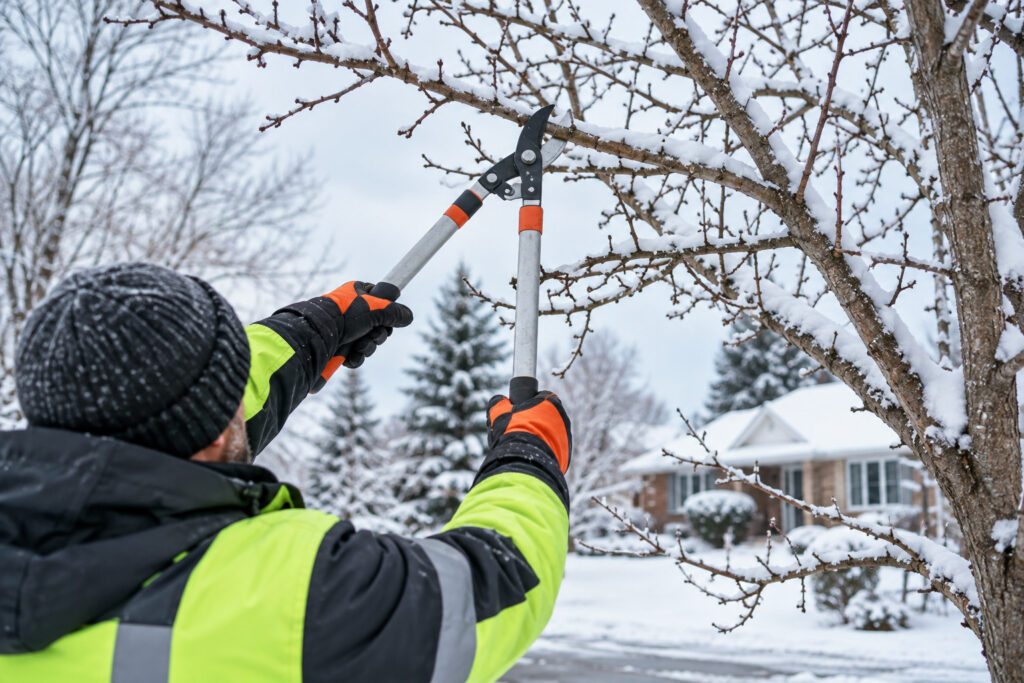
Buffalo winters bring lake-effect snow, freezing rain, and strong winds that push trees to their limits. A branch that looks fine in October can snap under a heavy load of wet snow in January and land on a roof, car, or fence. The good news is that most of this damage is preventable. Professional Tree Pruning Buffalo NY homeowners can count on, such as the team at Arbor Ridge Tree Service, removes weak growth and improves structure before the first storm arrives.
This guide explains why pruning matters before winter, what to look for on your property, and how to schedule the work wisely.
Why Pruning Matters Before Winter
Pruning is the selective removal of branches to improve a tree’s health, safety, and form. Done correctly, every cut has a purpose. In fall and early winter, that purpose is usually to reduce risk.
Heavy snow can add hundreds of pounds to a canopy, and ice makes limbs brittle. Trees with dead, crossing, or poorly attached branches are far more likely to lose limbs. Scheduling tree pruning in Buffalo NY before the ground freezes gives the tree time to adjust and gives you time to plan without an emergency.
Benefits of Fall and Dormant-Season Pruning
Pruning when trees are dormant offers several advantages:
- Bare branches make structure and defects easier to see
- Removing deadwood reduces the chance of falling limbs
- Thinning the canopy lets wind pass through more easily
- Lighter branches carry less snow and ice
- Clearing limbs from roofs, gutters, and siding helps prevent damage and ice dams
- Corrective cuts on young trees build stronger growth over time
Dormant-season work is also generally less stressful for many species, though timing can vary, so a professional can advise on each tree.
Signs Your Trees Need Pruning This Fall
Walk your property and look up. Watch for:
- Dead branches with no buds or leaves
- Cracked, split, or hanging limbs
- Branches growing over your roof, driveway, or walkway
- Crossing limbs that rub against each other
- Heavy, overextended branches that sag
- Dense growth that blocks light and air flow
- Limbs close to utility lines, which only qualified professionals should handle
If you notice several of these, a professional visit is a smart next step.
Pruning Priorities at a Glance
| Problem | Why It Matters in Winter | Recommended Action |
|---|---|---|
| Dead or hanging branches | First to fall under snow and ice | Remove in fall |
| Branches over the roof | Can damage shingles and gutters | Prune back and clear |
| Crossing or rubbing limbs | Creates wounds and weak points | Selective pruning |
| Dense canopy | Catches wind and snow | Crown thinning |
| Weak branch unions | Likely to split under load | Structural pruning |
| Young trees with poor form | Weak structure causes later failure | Corrective pruning |
Common Types of Pruning
Different goals call for different techniques. A trained arborist may recommend one or a combination:
- Deadwood removal: takes out dead and dying branches
- Crown thinning: selectively removes branches to reduce weight and improve air flow
- Crown cleaning: removes dead, diseased, or damaged limbs
- Crown raising: lifts lower branches to clear roofs, walkways, and vehicles
- Structural pruning: guides young trees toward strong, balanced growth
A reputable tree pruning service explains which approach fits each tree and why.
Pruning Mistakes to Avoid
Poor pruning can harm a tree for years. Be wary of these practices:
- Topping, which means cutting main branches back to stubs and causes weak, fast regrowth
- Removing too much canopy at once, which stresses the tree
- Leaving stubs or cutting too close to the trunk
- Using dull or dirty tools that spread disease
- Pruning at the wrong time for sensitive species
A good rule of thumb is that removing more than about a quarter of a tree’s live canopy in one season can cause stress. A professional follows accepted arboriculture standards to avoid these problems.
Why Professional Pruning Beats DIY
Small branches within reach can often be handled by a careful homeowner. Larger jobs are different. Ladders, chainsaws, falling limbs, and nearby power lines create serious risks every year. Hire a professional when:
- Branches are thicker than a few inches
- The work is above your roof, driveway, or walkway
- You would need to climb or use a chainsaw overhead
- The tree is near utility lines
- You are unsure whether the tree is healthy
A trained crew has the equipment, insurance, and experience to finish safely and correctly.
How to Choose a Pruning Company
Before hiring, ask these questions:
- Are you fully insured with liability and workers’ compensation coverage?
- Do you employ certified arborists or experienced climbers?
- Will you provide a clear written estimate?
- What pruning methods will you use?
- Will you clean up all debris afterward?
- Can you share local references or reviews?
When comparing providers of Tree Pruning Buffalo NY, be cautious of door-to-door solicitors after a storm, requests for full payment upfront, and anyone who recommends topping. A trustworthy company explains its plan in plain language.
How Arbor Ridge Tree Service Can Help
Arbor Ridge Tree Service works with Buffalo homeowners who want safe, honest, and practical tree care. The team can inspect your trees, identify risks, and recommend only the work that is truly needed. Services often include:
- Structural and corrective pruning
- Crown thinning and deadwood removal
- Tree health assessments
- Hazardous tree removal
- Storm damage cleanup
- Stump grinding
Working with a local team also means working with people who understand regional weather, soil, and common species such as maples, oaks, ash, and pines.
A Simple Fall Pruning Timeline
- September: Inspect your trees and photograph any concerns
- October: Request estimates and book your pruning appointment
- November: Complete the work before the ground freezes and heavy snow arrives
- Winter: Check trees after storms and call a professional about any damage
Frequently Asked Questions
When is the best time for tree pruning in Buffalo NY?
Late fall through winter is ideal for many species because trees are dormant and the structure is easy to see. Some trees, such as maples and birches, may bleed sap, so timing can vary. Booking early in the fall gives you the most flexibility.
How much does Tree Pruning Buffalo NY cost?
Cost depends on tree size, height, condition, access, and how much work is needed. Jobs near buildings or power lines may cost more. A written estimate is the best way to compare providers fairly.
Is pruning the same as trimming?
The terms overlap. Trimming usually refers to shaping and removing overgrown growth, while pruning focuses on tree health and structure. A professional often combines both.
Can pruning harm my tree?
Proper pruning benefits most trees. Harm comes from topping, over-cutting, or poor technique. Choosing a qualified tree pruning service helps you avoid these problems.
How often should trees be pruned?
Many mature trees benefit from an inspection every one to three years, while young trees may need structural pruning more often. Fast-growing species and trees near structures may need more frequent attention.
What should I do if a limb breaks during a winter storm?
Stay away from the area, especially if wires are involved, and call your utility company for any electrical hazard. Once conditions are safe, contact a qualified professional for cleanup and evaluation.
Final Thoughts
A little preparation can make a big difference when winter arrives in Western New York. By inspecting your trees, pruning weak or overhanging limbs, and getting expert advice early, you reduce the risk of costly damage and protect the people and property you care about. If you are not sure where to begin, a visit from Arbor Ridge Tree Service for professional Tree Pruning Buffalo NY is a smart first step. Contact a local expert this fall and head into winter with confidence.