Table of Contents
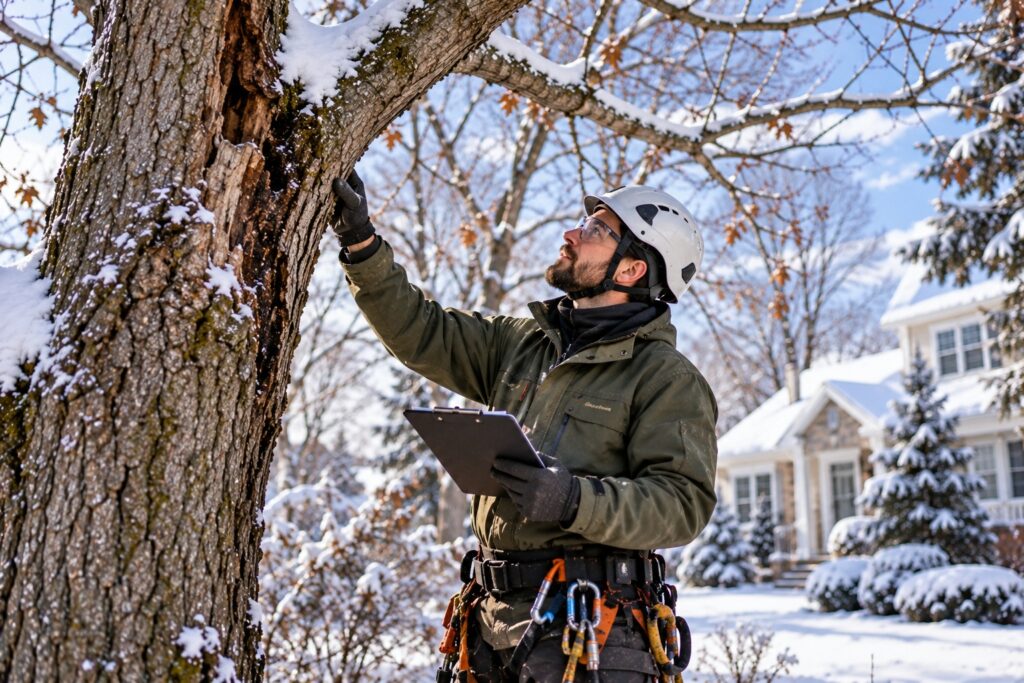
Every fall, Buffalo homeowners rake leaves, clean gutters, and winterize outdoor spaces. One task that often gets overlooked is checking the health of the trees around the house. Lake-effect snow, ice storms, and strong winds put enormous stress on trees, and the ones with hidden problems are the first to fail. Hiring a qualified Arborist Buffalo NY homeowners can trust, such as the team at Arbor Ridge Tree Service, helps you find those problems before winter does.
This guide explains what an arborist does, what a professional inspection covers, and why fall is the right time to schedule one.
What Does an Arborist Do?
An arborist is a trained tree care professional who understands how trees grow, how they respond to stress, and how to keep them healthy and safe. Unlike a general landscaper, an arborist can diagnose disease, spot structural weakness, and recommend the right treatment, whether that is pruning, cabling, treatment, or removal.
An experienced arborist in Buffalo NY also understands local conditions, including heavy snow load, road salt exposure, clay soils, and pests like emerald ash borer. That local knowledge makes recommendations more accurate and more useful.
Why Tree Inspections Matter Before Winter
Many tree problems are invisible from the ground. A trunk can look solid and still be hollow. A branch can seem healthy and still have a weak attachment. Winter then adds heavy wet snow, ice, and wind, which is often enough to bring weak trees or limbs down.
A fall inspection helps you:
- Find hidden decay, cracks, and structural defects
- Identify dead or dying branches before they fall
- Reduce the risk of damage to your roof, vehicles, and fences
- Plan pruning or removal on your schedule, not during an emergency
- Protect the long-term health and value of your landscape
Acting early is almost always less expensive than repairing storm damage.
What a Professional Tree Inspection Includes
A thorough inspection looks at the entire tree, from the roots to the crown. A qualified arborist typically evaluates:
- The canopy, checking for dead wood, thinning, and weak branch unions
- The trunk, looking for cracks, cavities, wounds, and fungal growth
- The root zone, checking for damage, soil heaving, or compaction
- The tree’s lean and overall balance
- Signs of insects or disease
- Proximity to your home, utility lines, and other structures
After the visit, you should receive clear findings and recommendations, ideally in writing, so you understand what the tree needs and how urgent each item is.
Common Warning Signs an Arborist Looks For
| Warning Sign | What It May Indicate | Typical Recommendation |
|---|---|---|
| Dead or hanging branches | Decline or storm damage | Prune before winter |
| Fungus at the base | Internal decay | Further evaluation |
| Deep trunk cracks or cavities | Structural weakness | Monitor, support, or remove |
| Sudden lean with soil lifting | Root failure | Urgent assessment |
| Thinning crown and D-shaped holes | Possible emerald ash borer | Diagnosis and treatment or removal |
| Branches over the roof | Risk of impact damage | Selective trimming |
Signs You Should Call an Arborist Right Away
Do not wait for your next routine check if you notice any of the following:
- A tree that has started leaning noticeably
- Large dead limbs over your home, driveway, or play area
- Mushrooms growing on the trunk or around the roots
- Sparse leaves in one section of the canopy
- Peeling bark or oozing sap in unusual places
- Roots that are exposed, cut, or damaged by construction
If you see several of these signs, schedule an inspection as soon as possible. For limbs near power lines, contact your utility company, since that work should never be attempted by homeowners.
Arborist vs. Tree Cutter: Why the Difference Matters
Anyone with a chainsaw can claim to offer tree care, but skill and training vary widely. Here is how a qualified arborist stands apart:
- Diagnoses problems rather than simply cutting
- Uses proper pruning cuts that protect tree health
- Avoids harmful practices like topping
- Carries appropriate insurance
- Often holds certification from recognized organizations
Choosing a trained Arborist Buffalo NY provider means getting advice based on how trees actually grow and heal, not just a quick cut.
How Fall Inspections Support Safer Winters
Fall is an ideal time for inspection for several reasons. Leaves are dropping, so the branch structure is easier to see. The ground is still workable, so crews can access your yard without damaging your lawn. Booking early also avoids the rush that follows the first major storm.
A fall visit gives you time to complete any recommended pruning, cabling, or removal before snow arrives. It also allows you to spread out costs rather than facing a sudden emergency bill.
How to Choose a Qualified Arborist
Before you hire, ask these questions:
- Are you fully insured with liability and workers’ compensation coverage?
- Do you employ certified arborists?
- Can you provide a written report or estimate?
- Do you have local references and reviews?
- What methods do you use for pruning and removal?
- Will you clean up after the job?
Be cautious of anyone who solicits door to door after a storm, pressures you to decide quickly, asks for full payment upfront, or recommends tree topping. When comparing Tree Service Buffalo NY providers, choose the one that explains the plan clearly and respects your questions.
How Arbor Ridge Tree Service Can Help
Arbor Ridge Tree Service works with Buffalo homeowners who want honest, practical advice about their trees. The team can inspect your property, explain what it finds in plain language, and recommend only the work that is needed. Services often include:
- Tree health assessments and inspections
- Tree trimming and structural pruning
- Hazardous tree removal
- Storm damage cleanup
- Stump grinding
Working with a local team means working with people who know the region’s weather, soil, and the species that grow here, including maples, oaks, ash, and pines.
Simple Fall Inspection Timeline
- September: Walk your property and take photos of concerns
- October: Book an inspection with a trusted arborist in Buffalo NY
- November: Complete recommended pruning or removals before the ground freezes
- Winter: Check trees after storms and call a professional for any damage
Frequently Asked Questions
How often should I have my trees inspected?
Many homeowners benefit from an inspection every one to three years, and annually for older trees, trees near structures, or trees with known problems. A fall visit is especially useful before winter.
How much does an Arborist Buffalo NY inspection cost?
Cost depends on the number of trees, their size, and the level of detail needed. Some companies include an assessment with their estimate. Ask what is included before you book.
Is every tree problem visible from the ground?
No. Hidden decay, root problems, and internal cracks are common, which is why a trained eye matters. An arborist knows where to look and what the warning signs mean.
Can an arborist save a damaged tree?
Often, yes. Depending on the problem, options may include pruning, cabling, improving soil conditions, or treating pests. If a tree is too far gone or unsafe, removal may be the safest option.
Is it a good idea to hire Tree Service Buffalo NY providers without checking credentials?
It is not. Always verify insurance, ask about certification, and request a written estimate. This protects you from liability and poor workmanship.
What should I do if a tree falls or a limb breaks in a storm?
Stay away from the area, especially if wires are involved, and call your utility company for any electrical hazard. When conditions are safe, contact a qualified professional for cleanup and evaluation.
Final Thoughts
Winter is hard on trees, but a little preparation goes a long way. A professional inspection from a qualified Arborist Buffalo NY expert helps you catch hidden problems, protect your property, and keep healthy trees thriving for years. If you want peace of mind before the first snowfall, contact Arbor Ridge Tree Service and schedule your fall tree inspection today.