Table of Contents
Fall in Western New York is a short window between summer storms and the first heavy lake-effect snow. It is also the best time to look up at the trees around your home and ask a simple question: will they handle what winter throws at them? Scheduling tree trimming before the cold sets in is one of the most practical ways to protect your roof, vehicles, and family. Professional Tree Trimming Buffalo NY homeowners can rely on, such as Arbor Ridge Tree Service, can help you remove weak limbs and improve your trees’ structure before the first storm arrives.
This guide explains how fall trimming reduces winter risks, which warning signs to look for, and how to plan the work.
What Is Tree Trimming and Why Does Timing Matter?
Tree trimming is the selective removal of branches to improve a tree’s safety, health, and appearance. A good arborist does not just cut for looks. Each cut has a purpose, such as removing deadwood, reducing weight on a heavy limb, or clearing space around buildings and utility lines.
Timing matters because Buffalo winters are demanding. Wet snow can add hundreds of pounds to a canopy, ice makes branches brittle, and strong winds off Lake Erie test every weak attachment. Work done in the fall gives the tree time to adjust, and it gives you time to schedule the job without an emergency.
How Fall Trimming Reduces Winter Risks
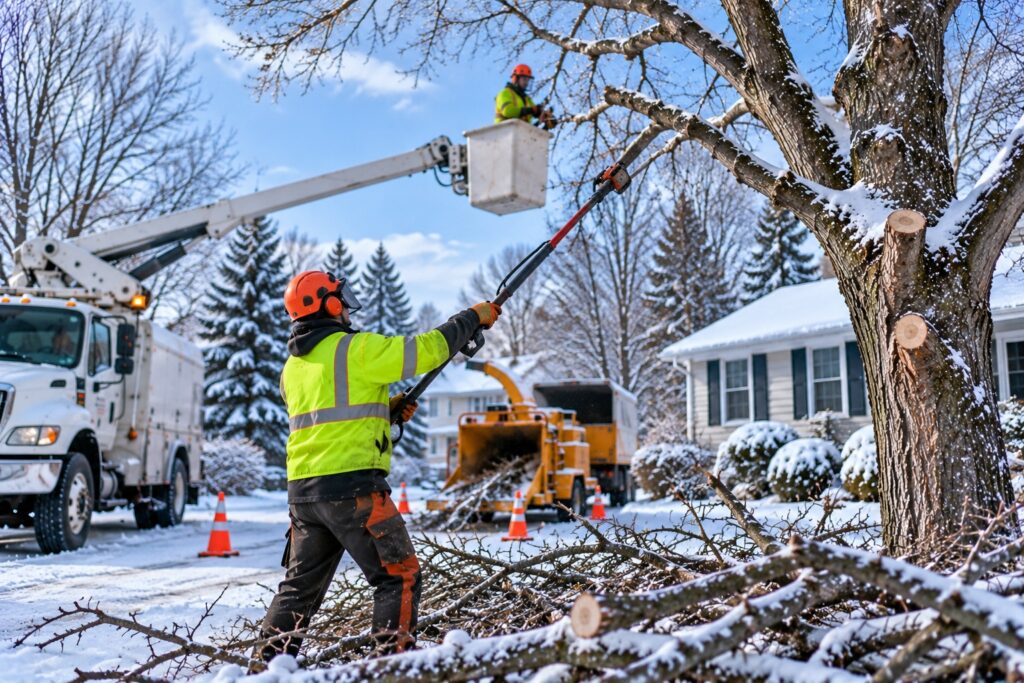
Trimming before winter addresses the most common causes of storm damage. Here is what it can do for your property:
- Removes dead, cracked, and hanging branches that fall first under snow and ice
- Reduces canopy density so wind passes through more easily
- Lowers the weight that accumulates on long, heavy limbs
- Clears branches away from roofs, chimneys, gutters, and siding
- Keeps limbs from rubbing against each other and creating wounds
- Improves the structure of young trees so they grow stronger
Many homeowners also find that trimming helps prevent ice dams and clogged gutters, since overhanging branches drop leaves and debris onto the roof.
Choosing Tree trimming in Buffalo NY before the ground freezes also means crews can reach your yard easily, with less risk of damaging your lawn.
Signs Your Trees Need Trimming This Fall
Walk your property and look up. Pay attention to these signs:
- Branches with no leaves or buds during the growing season
- Cracked, split, or partially broken limbs
- Branches growing over your roof, driveway, or walkway
- Limbs close to power lines, which should only be handled by qualified professionals
- Crossing branches that rub against each other
- Heavy, overextended limbs that sag or lean
- Sudden thinning in one part of the canopy
If you see several of these, a professional inspection is a smart next step.
Tree Trimming Priorities at a Glance
| Problem | Why It Matters in Winter | Recommended Action |
|---|---|---|
| Dead or hanging branches | Likely to fall under snow and ice load | Remove in fall |
| Branches over the roof | Can damage shingles, gutters, and skylights | Trim back and clear |
| Crossing or rubbing limbs | Creates wounds and weak points | Selective pruning |
| Overextended heavy limbs | Prone to snapping in wind | Reduce weight or shorten |
| Limbs near power lines | Safety hazard for people and service | Call utility or professional |
| Young trees with poor structure | Weak growth leads to later failure | Corrective pruning |
Fall Trimming vs. Waiting for Spring
Some homeowners put off trimming until spring, but waiting through winter carries a real cost. Branches that are already weak must survive months of snow, ice, and wind. If one fails, you may face roof repair, an insurance claim, and emergency service fees.
Fall work, by contrast, lets an arborist see the branch structure clearly as leaves drop, and many trees tolerate dormant-season pruning well. Some species, such as maples, may bleed sap, and certain trees have specific timing needs, so a professional can advise on each one.
Why Professional Trimming Beats DIY
Tree trimming looks easy in online videos, but real jobs involve ladders, chainsaws, tension in the wood, and unpredictable falling weight. Common risks include:
- Falls from ladders or tree limbs
- Chainsaw kickback and cutting injuries
- Branches landing on your home, car, or fence
- Contact with energized power lines
- Improper cuts that harm the tree for years
A trained crew has the climbing gear, insurance, and experience to complete the work safely and correctly. Poor cuts, such as topping or leaving stubs, can weaken a tree and lead to dangerous regrowth.
How to Choose a Trimming Company
Not every provider offers the same quality. Before you hire anyone, ask:
- Are you fully insured, including liability and workers’ compensation?
- Do you provide a clear written estimate?
- Do you have certified arborists or experienced climbers on your team?
- Will you clean up all debris when the job is done?
- Can you provide local references or reviews?
When comparing Tree Trimming Buffalo NY providers, be cautious of anyone who knocks on your door after a storm, demands full payment upfront, or recommends removing large portions of the canopy. A reputable company explains what it plans to do and why.
How Arbor Ridge Tree Service Can Help
Arbor Ridge Tree Service works with Buffalo homeowners who want safe, honest, and practical tree care. The team can inspect your property, point out problem areas, and recommend the right amount of work. Arbor Ridge offers tree trimming along with related services, including:
- Crown thinning and deadwood removal
- Structural pruning for young and mature trees
- Hazardous tree removal
- Storm damage cleanup
- Stump grinding
- Tree health assessments
Working with a local team also means working with people who understand regional weather, soil, and common species like maples, oaks, ash, and pines.
A Simple Fall Timeline for Tree Trimming
Starting early helps you avoid the rush that follows the first storm warning.
- September: Inspect your trees and take photos of any concerns
- October: Request estimates and book your trimming appointment
- November: Complete the work before the ground freezes and snow arrives
- Winter: Monitor your trees after storms and call a professional for any damage
Frequently Asked Questions
When is the best time for tree trimming in Buffalo NY?
Late fall is an excellent choice for many trees because leaves have dropped and the structure is easy to evaluate. Booking in early fall gives you more scheduling flexibility before winter demand increases.
How much does Tree trimming in Buffalo NY cost?
Cost depends on tree size, height, condition, access, and how much work is needed. Jobs near buildings or power lines may cost more. A written estimate is the best way to compare providers fairly.
Is tree trimming the same as pruning?
The terms overlap. Trimming usually refers to shaping and removing overgrown branches, while pruning focuses on tree health and structure. A professional will often combine both.
Can trimming harm my tree?
Proper trimming is healthy for most trees. Harm comes from over-cutting, topping, or poor technique. Removing too much of the canopy at once can stress a tree.
How often should trees be trimmed?
Many mature trees benefit from an inspection every one to three years, while young trees may need structural pruning more often. Fast-growing species and trees near structures may need more frequent attention.
What should I do if a branch falls in a winter storm?
Stay away from the area, especially if wires are involved, and contact your utility company for any line hazard. Once conditions are safe, call a qualified professional for cleanup.
Final Thoughts
A little preparation can make a big difference when winter storms arrive in Western New York. By inspecting your trees, trimming weak or overhanging limbs, and getting expert advice early, you reduce the chance of costly damage and protect the people and property you care about. If you are not sure where to start, a professional Tree Trimming Buffalo NY visit from Arbor Ridge Tree Service is a smart first step. Contact a local expert this fall and head into winter with confidence.