Table of Contents
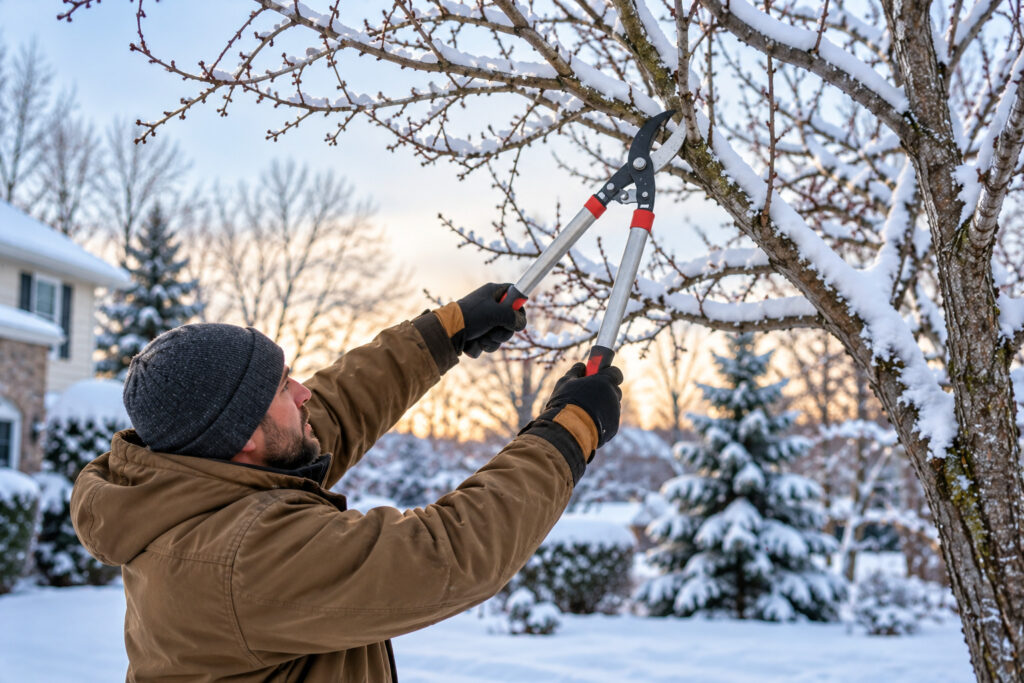
Preparing trees for winter is an important part of maintaining a safe and attractive property in Buffalo, NY. The region experiences cold temperatures, snow, ice, and strong winds that can place additional stress on trees and branches. Regular pruning can help address certain structural problems before winter weather arrives.
For homeowners, tree pruning is not simply about making a tree look neat. Proper pruning can help remove dead or damaged branches, improve the structure of young and mature trees, and reduce some potential hazards around a property. When pruning involves large branches or mature trees, professional assistance can make the work safer and more effective.
Arbor Ridge Tree Service provides professional tree care for Buffalo-area homeowners. With proper planning and seasonal maintenance, homeowners can help keep their trees healthy and better prepared for changing weather conditions.
Why Tree Pruning Matters Before Winter
Trees can become more difficult to manage once heavy snow and ice arrive. Weak, dead, or damaged branches may be more likely to break when additional weight accumulates.
A professional tree Pruning buffalo NY service can help identify branches that may need attention before winter. Pruning should always be based on the condition and structure of the tree rather than simply removing as many branches as possible.
Some benefits of appropriate pruning include:
- Removing dead or broken branches
- Improving branch structure
- Reducing branches that interfere with buildings
- Supporting healthy growth
- Improving visibility around the property
- Addressing certain damaged limbs
- Helping maintain the overall appearance of the tree
Proper pruning does not guarantee that a tree will never lose a branch during a storm, but it can address some known structural concerns before severe weather arrives.
When Is the Best Time to Prune Trees in Buffalo?
The ideal pruning schedule depends on the tree species, its condition, the type of pruning required, and the reason for the work.
Late winter is often suitable for many structural pruning projects because trees are dormant. However, dead, broken, or hazardous branches may need attention at other times of the year.
Homeowners should avoid assuming that every tree should be pruned according to the same schedule.
A professional Tree Pruning Service can evaluate the tree and determine the appropriate timing based on its condition and the desired outcome.
Signs Your Trees May Need Pruning
Trees often provide visible clues when certain branches need attention. Regularly walking around your property can help you notice changes.
Look for:
- Dead branches with no visible buds or leaves
- Broken limbs following storms
- Branches rubbing against one another
- Branches growing toward structures
- Weakly attached branches
- Excessive growth around walkways
- Branches blocking important views
- Diseased or damaged sections
It is important to distinguish routine pruning from hazardous tree work. Large branches located high above the ground can be dangerous to remove without proper equipment and experience.
How Winter Weather Affects Trees
Buffalo winters can bring combinations of snow, ice, wind, and freezing temperatures. Each condition can affect trees differently.
Wet snow can accumulate on branches and increase their weight. Ice can form a heavy coating around smaller limbs. Strong winds can move branches back and forth and place stress on weak attachment points.
Trees with poor structure or existing damage may be more vulnerable.
This is one reason Tree Pruning Buffalo can be part of a broader seasonal tree-care plan. The goal is not to remove healthy growth unnecessarily but to address branches that create identifiable structural or safety concerns.
Important Areas to Inspect Before Winter
Before winter arrives, homeowners can perform a basic visual inspection from the ground.
| Tree Area | What to Look For | Possible Concern |
|---|---|---|
| Main trunk | Cracks or cavities | Structural weakness |
| Large limbs | Dead or broken sections | Falling branch risk |
| Branch unions | Weak or unusual attachments | Potential failure |
| Crown | Crossing or crowded branches | Poor structure |
| Roots | Exposed or damaged roots | Stability concerns |
| Surrounding area | Branches near structures | Potential property damage |
A visual inspection does not replace a professional assessment. If you see significant defects, contact a qualified tree professional rather than climbing the tree yourself.
Benefits of Professional Tree Pruning
Pruning a small tree can sometimes be manageable for a homeowner with appropriate knowledge and equipment. However, mature trees require more careful planning.
A professional Tree Pruning Service can evaluate the tree’s structure and determine which branches should be removed while preserving as much healthy growth as practical.
Professional pruning can help with:
Better Tree Structure
Removing selected problem branches can help improve the overall arrangement of the crown. Structural pruning is especially useful for younger trees because early attention can help guide future growth.
Removing Damaged Growth
Broken or dead branches can become obstacles or potential hazards. Removing them can improve the tree’s overall condition and appearance.
Maintaining Clearance
Branches that grow toward roofs, buildings, driveways, and walkways may eventually create conflicts. Selective pruning can help maintain appropriate clearance.
Supporting Long-Term Tree Care
Regular inspections and appropriate pruning can help homeowners understand how their trees are developing and identify potential concerns before they become larger problems.
Common Tree Pruning Mistakes to Avoid
Improper pruning can damage a tree rather than helping it. One common mistake is removing too many branches at once.
Homeowners should avoid:
- Cutting large branches without understanding proper pruning techniques
- Removing large portions of the crown unnecessarily
- Topping trees
- Leaving large stubs
- Making random cuts
- Climbing unstable trees
- Using ladders near large overhead branches
- Attempting work near electrical lines
Tree care should focus on maintaining healthy structure rather than simply reducing the size of a tree.
Tree Pruning and Property Safety
Trees often grow close to homes, garages, fences, driveways, and other structures. A branch that is harmless when small may eventually extend into an area where it can cause problems.
Before winter, homeowners should pay special attention to trees located near:
- Roofs
- Chimneys
- Garages
- Driveways
- Sidewalks
- Fences
- Outdoor living spaces
- Utility lines
Tree Pruning Buffalo services can help address certain clearance and structural concerns. However, utility-line work should only be handled by properly qualified professionals and the appropriate utility provider.
Preparing Young Trees for Winter
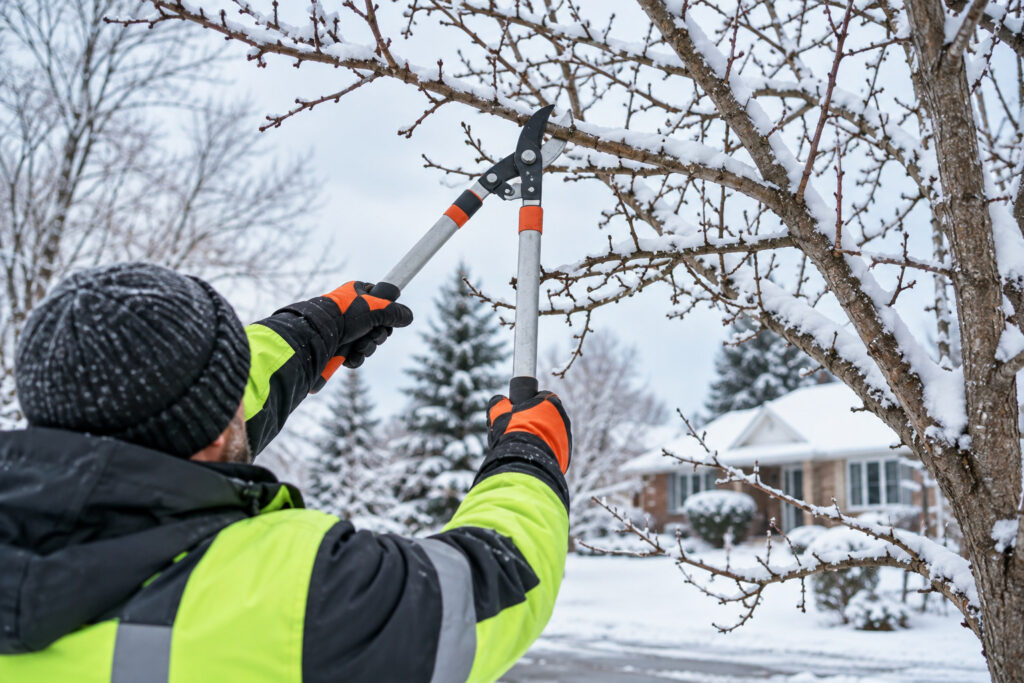
Young trees can benefit from thoughtful structural pruning. The objective is generally to encourage strong, well-spaced branches rather than removing large amounts of growth.
Young trees should be inspected for:
- Multiple competing leaders
- Weak branch attachments
- Damaged branches
- Crossing limbs
- Poorly positioned growth
Small corrections made over time may help prevent larger structural issues as the tree matures.
Preparing Mature Trees for Winter
Mature trees require a more careful approach. Large trees can have substantial branches and complex structures that make pruning more hazardous.
A professional Tree Pruning Service may inspect the crown, trunk, major limbs, and surrounding property before determining what work is appropriate.
For mature trees, pruning may focus on:
- Removing dead branches
- Removing broken limbs
- Improving selected branch clearance
- Addressing specific structural concerns
- Maintaining safe separation from structures
Not every mature tree requires extensive pruning. In many cases, selective work is preferable to aggressive cutting.
What to Expect From a Professional Pruning Visit
A professional tree-care visit typically begins with an assessment of the tree and surrounding area.
The process may include:
- Inspecting the tree from the ground
- Identifying damaged or problematic branches
- Considering the tree’s location and surroundings
- Determining appropriate pruning objectives
- Establishing a safe work area
- Performing selective pruning
- Removing branches from the property
- Cleaning the work area
The exact process depends on the size, species, condition, and location of the tree.
Creating a Winter Tree-Care Checklist
A simple checklist can help homeowners prepare their properties each fall.
Before winter, consider:
- Inspecting trees after summer storms
- Looking for dead and broken branches
- Checking trees near structures
- Monitoring changes in tree leaning
- Looking for damaged roots
- Scheduling professional pruning when necessary
- Clearing fallen branches from lawns
- Keeping outdoor areas accessible
Regular observation can make it easier to identify changes from one season to the next.
Arbor Ridge Tree Service for Buffalo Tree Care
Arbor Ridge Tree Service helps homeowners address their tree-care needs throughout the Buffalo area. Proper pruning is one part of maintaining healthy trees and preparing properties for seasonal weather.
Whether a tree needs deadwood removal, structural attention, clearance pruning, or a professional assessment, the right approach depends on the tree and its surroundings.
Homeowners looking for Tree Pruning Buffalo services should consider the tree’s overall condition rather than focusing only on appearance. A professional evaluation can help determine what work is appropriate and avoid unnecessary pruning.
With thoughtful maintenance, homeowners can keep their trees looking attractive while addressing potential concerns before winter weather arrives.
Frequently Asked Questions
1. Why should trees be pruned before winter?
Pruning can remove certain dead, broken, or problematic branches before snow and ice add additional weight. It can also address some structural and clearance concerns.
2. Can I prune my trees myself?
Small, accessible branches may be manageable for some homeowners with appropriate knowledge. Large, high, unstable, or damaged branches should be handled by trained professionals.
3. How often should trees be pruned?
There is no single schedule for every tree. Species, age, growth rate, condition, and location all affect pruning needs. Regular inspections can help determine when work is appropriate.
4. Does pruning make trees completely safe during winter?
No. Even healthy trees can lose branches during severe storms. Proper pruning can address certain known concerns, but it cannot eliminate all weather-related risks.
5. What is the difference between pruning and tree removal?
Pruning involves selectively removing branches while retaining the tree. Removal involves taking down the entire tree and is generally considered when a tree is dead, severely damaged, unstable, or otherwise unsuitable to remain.
6. Should dead branches be removed before winter?
Dead branches can become more brittle over time and may be more likely to break under snow, ice, or wind. A professional assessment can determine whether they should be removed.
7. Can pruning improve the appearance of my trees?
Yes. Selective pruning can improve the shape and appearance of a tree while addressing certain structural issues. The focus should remain on the tree’s health and structure rather than excessive cutting.