Table of Contents
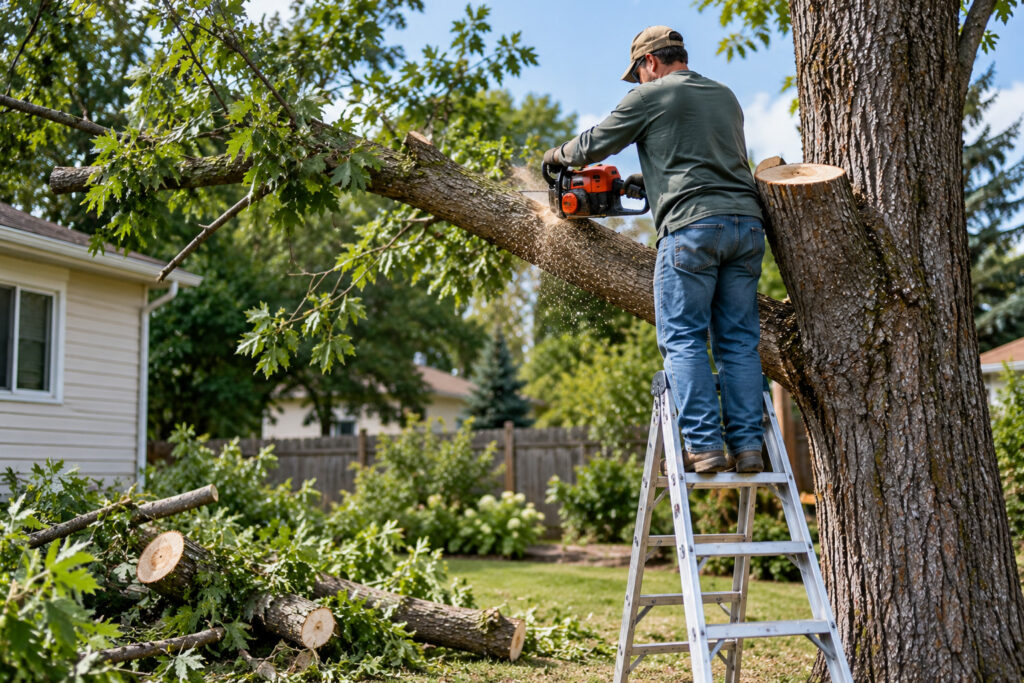
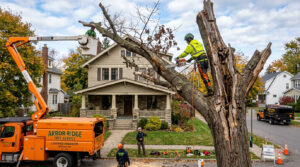
Winter in Buffalo, NY can bring heavy snow, strong winds, ice, and freezing temperatures that put extra stress on trees. A tree that appears stable during mild weather can become a serious concern when branches become covered with snow or ice. Dead limbs, weak trunks, leaning trees, and damaged roots may become more dangerous as winter approaches.
For homeowners, taking action before severe winter weather arrives can help reduce potential risks to homes, vehicles, driveways, and outdoor areas. Buffalo Tree Removal is sometimes necessary when a tree has become too damaged, unstable, or hazardous to safely remain on the property.
Arbor Ridge Tree Service provides professional tree care for homeowners who need help evaluating and managing potentially dangerous trees. A careful inspection before winter can help identify problems early and determine whether pruning, monitoring, or complete removal is appropriate.
Why Dangerous Trees Should Be Checked Before Winter
Trees experience additional stress during Buffalo winters. Snow and ice can add considerable weight to branches, while strong winds can cause damaged limbs to break.
A tree may require attention when it has visible structural problems that could become worse during winter weather. Tree removal buffalo NY services can be particularly important when a tree is already dead, severely damaged, or positioned where a falling branch could cause significant property damage.
Some warning signs include:
- Large dead or broken branches
- Cracks in the trunk or major limbs
- A tree leaning noticeably
- Large cavities or hollow sections
- Significant root damage
- Mushrooms growing around the base
- Loose or hanging branches
- Storm-damaged limbs
- Broken or exposed roots
- Branches growing directly over structures or utility areas
Not every tree with a warning sign needs to be removed. A qualified tree professional can evaluate the condition and recommend an appropriate course of action.
How Winter Weather Can Increase Tree Hazards
Buffalo is known for snowy winters, and changing weather conditions can place additional loads on trees. Wet snow can be especially heavy, while ice can accumulate on branches and make them more difficult for weakened limbs to support.
Wind can create another source of stress. When branches are already weakened by disease, decay, age, or previous storms, strong gusts may increase the possibility of breakage.
Homeowners considering tree removal Service before winter should pay particular attention to trees located near:
- Houses and garages
- Driveways and parked vehicles
- Walkways and sidewalks
- Fences
- Play areas
- Sheds and outdoor structures
- Power lines and other utilities
A tree does not have to look completely dead to present a concern. Structural defects can sometimes be difficult to identify from ground level.
Signs That a Tree May Be Dangerous
Before winter arrives, walk around your property and look for visible changes in your trees. Pay attention to the trunk, branches, roots, and surrounding ground.
Dead or Hanging Branches
Dead branches can become brittle over time. Snow, ice, and wind may increase the chance of these branches breaking.
Large dead branches over frequently used areas deserve particular attention because a falling limb could damage property or create a safety hazard.
Leaning Trees
A naturally leaning tree is not automatically dangerous. However, a new or rapidly increasing lean may indicate a structural or root problem.
Look at the soil around the base. Raised soil, exposed roots, cracks in the ground, or a noticeable shift in the tree may indicate that further inspection is needed.
Trunk Cracks and Cavities
Cracks running through major sections of a trunk or large limb can indicate structural weakness. Cavities and decay can also affect the internal strength of a tree.
Because the outside of a tree does not always reveal the full extent of internal decay, professional assessment can be useful when serious defects are visible.
Root Problems
Healthy roots help anchor trees and provide water and nutrients. Construction work, soil erosion, flooding, or physical damage can affect the root system.
Trees with significant root damage may become less stable, especially when winter winds and frozen ground place additional stress on them.
A Simple Pre-Winter Tree Inspection Checklist
A basic inspection can help homeowners identify obvious concerns before scheduling professional tree care.
| Area to Check | Warning Signs | Recommended Action |
|---|---|---|
| Trunk | Cracks, cavities, decay | Consider professional inspection |
| Branches | Dead, broken, or hanging limbs | Arrange pruning or assessment |
| Roots | Exposed, damaged, or lifted roots | Have the tree evaluated |
| Tree Position | New or severe leaning | Request a professional inspection |
| Surroundings | Tree close to structures | Evaluate potential risk |
| Overall Condition | Extensive damage or decline | Discuss removal options |
This checklist is not a substitute for a professional assessment. It is simply a useful way to notice potential problems early.
When Tree Removal May Be Necessary
Tree removal is generally considered when a tree cannot be safely retained or has become a significant hazard. The decision should be based on the tree’s condition, location, structural stability, and potential impact on people or property.
Situations that may lead to removal include:
- A completely dead tree
- Severe trunk decay
- Extensive storm damage
- Major structural failure
- Serious root instability
- A tree that has fallen or partially failed
- Significant damage that cannot reasonably be corrected through pruning
Professional Buffalo Tree Removal should involve careful planning, particularly when the tree is large or located close to buildings, fences, roads, or utility lines.
Why Professional Tree Removal Is Important
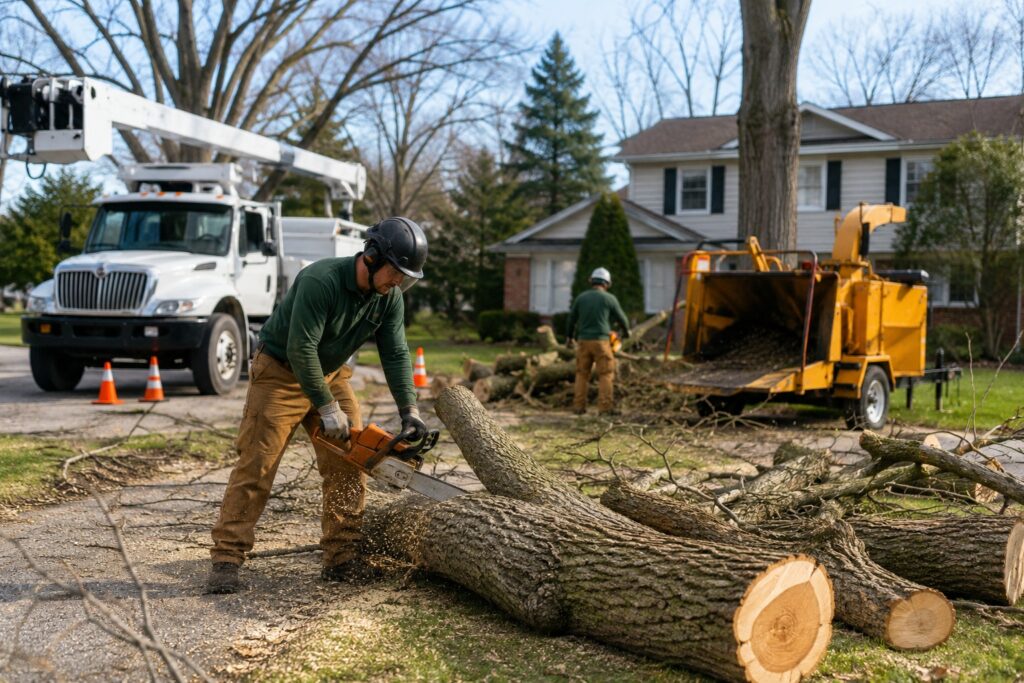
Removing a large tree is more complicated than simply cutting through the trunk. The direction of the fall, surrounding structures, overhead hazards, equipment access, and condition of the tree all need to be considered.
Professional tree crews can develop a removal plan based on the specific site.
A typical tree removal process may include:
- Inspecting the tree and surrounding property
- Identifying potential hazards
- Planning the removal sequence
- Establishing a safe work area
- Removing branches in controlled sections
- Cutting and lowering larger sections safely
- Removing or processing debris
- Cleaning the work area
For homeowners searching for tree removal buffalo NY services, choosing a company that takes safety and property protection seriously can help make the project more organized.
What Homeowners Should Do Before a Tree Removal Project
Good preparation can make tree work easier and safer.
Before the crew arrives, homeowners should:
- Keep children and pets away from the work area.
- Move vehicles away from the tree when possible.
- Remove outdoor furniture and movable items.
- Keep gates and access paths clear.
- Inform the tree service about any known property concerns.
- Point out underground or hidden features you are aware of.
- Avoid attempting to cut large hazardous branches yourself.
If utility lines are nearby, additional precautions may be necessary. Homeowners should never attempt to cut trees or branches that are touching or close to electrical lines.
What Happens After a Tree Is Removed?
Tree removal does not always end when the tree comes down. Depending on the project, the remaining material may be processed in several ways.
Branches can be chipped into wood chips, larger sections may be cut into manageable pieces, and the remaining stump can be addressed separately.
Common post-removal services include:
- Branch cleanup
- Wood chipping
- Log removal
- Firewood cutting when appropriate
- Stump grinding
- Basic site cleanup
A tree removal service provider can explain which cleanup options are available based on the size and location of the tree.
Preparing Your Buffalo Property for Winter
Winter tree preparation is not only about removing dangerous trees. Routine maintenance can also help keep healthy trees in better condition.
Before winter, consider:
- Removing clearly dead branches
- Inspecting trees after summer storms
- Checking for signs of disease or decay
- Looking for damaged roots
- Monitoring trees near structures
- Keeping the property clear of fallen branches
- Scheduling a professional inspection for questionable trees
Taking care of obvious problems before severe weather arrives can reduce the chance of needing emergency assistance during a storm.
Choosing a Tree Service in Buffalo
When looking for Buffalo Tree Removal assistance, homeowners should consider more than price alone. Tree work involves heavy equipment, elevated work, cutting tools, and potentially unpredictable conditions.
Questions to ask a tree service include:
- Are you experienced with hazardous tree removal?
- Will the tree be inspected before removal?
- How will nearby property be protected?
- Is cleanup included?
- What happens to the wood and branches?
- Can you address the stump after removal?
- How will the work area be secured?
Clear communication can help homeowners understand what the project involves before work begins.
Why Early Planning Can Help
Waiting until a major winter storm damages a tree can create additional challenges. Emergency situations may involve blocked driveways, damaged roofs, fallen branches, or trees across access areas.
Planning ahead gives homeowners more time to inspect questionable trees and determine what action is appropriate.
If a tree is showing serious structural problems, contacting a professional before winter can help you understand your options. In some situations, pruning may be sufficient. In others, Buffalo Tree Removal may be recommended because the tree presents a significant hazard.
Arbor Ridge Tree Service for Buffalo Homeowners
Arbor Ridge Tree Service provides tree care solutions for homeowners throughout the Buffalo area. From evaluating potentially dangerous trees to handling removal and cleanup, professional assistance can make difficult tree projects more manageable.
Homeowners should not attempt to remove large or unstable trees on their own. A professional tree crew can evaluate the site, identify potential hazards, and use appropriate equipment and procedures.
Whether you need an inspection, pruning, storm-related cleanup, or tree removal buffalo NY services, planning ahead can help protect your property as winter approaches.
Frequently Asked Questions
1. When should I inspect my trees before winter?
Early fall is a practical time to inspect trees for dead branches, cracks, leaning, decay, and storm damage. This gives homeowners time to address serious concerns before heavy snow and ice arrive.
2. Does every leaning tree need to be removed?
No. Some trees naturally grow at an angle and can remain stable. However, a new or worsening lean may indicate a structural or root problem and should be professionally evaluated.
3. Can heavy snow damage healthy trees?
Yes. Heavy wet snow can place additional weight on branches. Healthy trees are generally better equipped to handle normal conditions, but weak, damaged, or poorly structured branches may still break.
4. Should I remove a dead tree before winter?
A dead tree may become more hazardous as branches weaken and weather conditions change. A professional inspection can help determine whether removal is appropriate.
5. How can I find a reliable tree removal Service in Buffalo?
Look for an established tree care company with experience handling residential tree work, clear communication, appropriate equipment, and a focus on safe work practices.
6. What should I do if a tree falls during a winter storm?
Keep people and pets away from the area. If electrical wires are involved, stay away and contact the appropriate utility provider or emergency service. For non-electrical tree damage, contact a professional tree service for assessment and cleanup.
7. Is stump removal always necessary after tree removal?
Not always. However, removing or grinding a stump can improve the appearance of the property and reduce obstacles around lawns and walkways. Your tree service can discuss the available options.
Final Thoughts
Preparing trees before winter can help Buffalo homeowners identify potential hazards before snow, ice, and strong winds arrive. Dead branches, serious decay, root damage, cracks, and unstable trees deserve attention, especially when they are located close to homes or other structures.
A professional evaluation can help determine whether a tree should be pruned, monitored, or removed. When removal is necessary, professional Buffalo Tree Removal services can help manage the work safely and efficiently.
Arbor Ridge Tree Service is available to help Buffalo-area homeowners address tree concerns and prepare their properties for changing seasonal conditions. Taking action before a dangerous tree becomes an emergency can provide greater peace of mind and help keep your property ready for winter.