Table of Contents
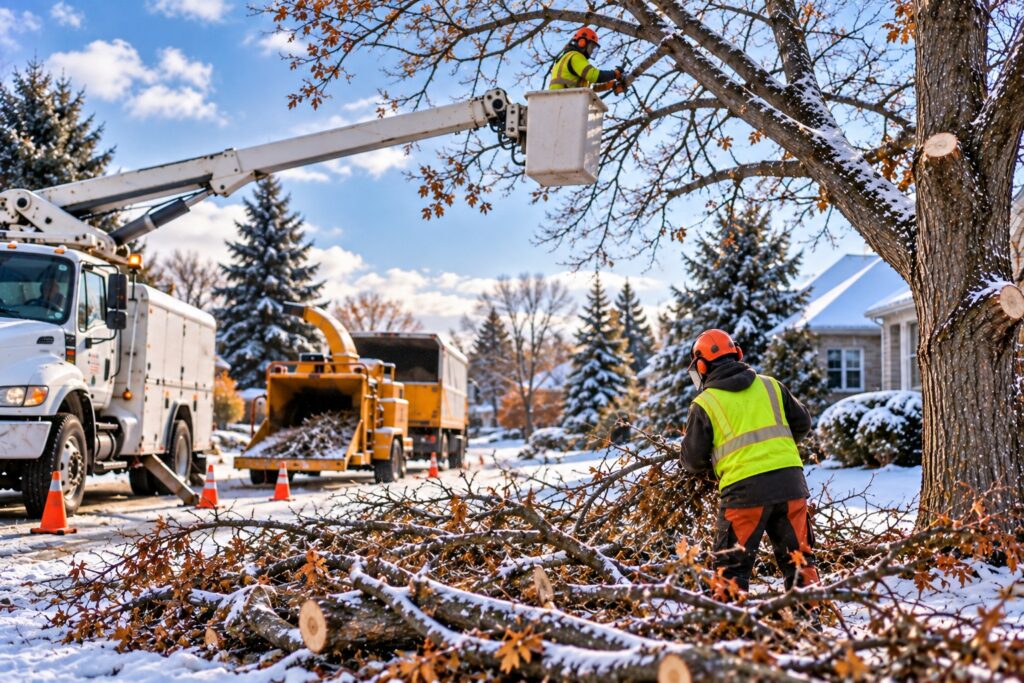
Autumn in Western New York brings colorful leaves, crisp air, and a reminder that winter is close behind. Lake-effect snow, ice, and strong winds put heavy stress on trees, and a branch that looks fine in October can fail by January. That is why fall is an ideal time to care for your landscape. Arbor Ridge Tree Service provides professional tree trimming Buffalo NY homeowners and property managers rely on to keep their trees safe, healthy, and well shaped. This guide shares practical fall maintenance tips and explains what to expect when you hire a pro.
Why Fall Is the Right Time for Tree Maintenance
Many people only think about their trees after a storm. Planning ahead gives you more control, better scheduling, and fewer surprises. If you are looking for tree trimming Buffalo options, fall offers several advantages:
- Falling leaves make dead, crossing, and damaged branches much easier to see.
- Many trees are entering dormancy, so pruning causes less stress.
- Cooler weather is more comfortable for crews working long days.
- Firmer ground helps protect your lawn from equipment.
- Scheduling early avoids the winter rush after the first major storm.
- Removing weak limbs now lowers the risk of damage to roofs, gutters, cars, fences, and power lines.
Signs Your Trees Need Trimming
You do not need to be an arborist to spot trouble. Walk your property and look for these warning signs:
- Dead or brittle branches, especially in the upper canopy
- Limbs hanging over your roof, driveway, or walkway
- Branches rubbing against each other or against your house
- Branches growing close to utility lines
- Cracks or splits where a limb meets the trunk
- Heavy, overextended limbs that look unbalanced
- Dense growth that blocks sunlight and airflow
- Broken or hanging branches left by a previous storm
If you notice several of these signs on the same tree, schedule an inspection before winter weather arrives.
Your Fall Tree Maintenance Checklist
Walk the Property
- Inspect each tree from the ground, looking up through the canopy.
- Check the base for mushrooms, soft spots, or lifted roots.
- Note any branches that overhang structures or sit near wires.
Focus on Dead and Hazardous Wood
- Prioritize dead, diseased, and broken limbs first.
- Remove branches that cross or rub, since they create wounds that invite pests.
- Avoid heavy pruning of healthy limbs just for looks.
Protect Your Home and Utilities
- Keep branches clear of rooflines, chimneys, and gutters.
- Never trim near power lines yourself. Contact your utility provider.
- Keep walkways and driveways clear of low-hanging limbs.
Prepare Young Trees
- Remove damaged or competing leaders on young trees.
- Add mulch around the base, keeping it a few inches away from the trunk.
- Water newly planted trees until the ground freezes.
Fall Pruning Guide by Tree Type
Different species respond differently to pruning. Use this table as a general starting point, and ask an arborist for advice specific to your trees.
| Tree Type | Fall Pruning Approach | Helpful Note |
|---|---|---|
| Maple | Remove dead or damaged limbs after leaf drop | Late fall or winter pruning is usually better than spring |
| Oak | Limit pruning and focus on dead wood only | Oaks are best pruned in the dormant season to reduce disease risk |
| Ash | Inspect carefully for signs of decline | Emerald ash borer has affected many ash trees in the region |
| Pine and Spruce | Remove dead or broken branches | Avoid heavy cuts, since evergreens do not regrow like many hardwoods |
| Fruit Trees | Remove only hazardous limbs now | Major pruning is often best saved for late winter |
| Young Trees | Correct structure and remove damaged growth | Light, careful cuts help build strong branching |
DIY or Professional? Making the Safe Choice
Some light pruning, such as snipping small branches within reach, is manageable for a homeowner with the right tools. Anything involving ladders, chainsaws, large limbs, or power lines is a different story. Tree work is among the more dangerous jobs around a home, and a single wrong cut can send a heavy limb onto a person or a building.
Hiring a reliable tree trimming service Buffalo residents trust gives you several benefits:
- Trained crews with proper climbing and rigging equipment
- Knowledge of correct pruning cuts that protect tree health
- Liability insurance and workers’ compensation coverage
- Safe handling of limbs near structures and utility lines
- Full cleanup, so you are not left with piles of debris
What a Professional Tree Trimming Service Includes
A quality tree trimming service should feel organized and transparent from your first call. Here is what the process typically looks like:
- Assessment. An arborist inspects your trees, identifies problem areas, and discusses your goals.
- Written estimate. You receive a clear scope of work, price, and timeline.
- Safety setup. The crew marks the work zone and protects landscaping and structures.
- Precise pruning. Branches are removed with proper cuts and often lowered with ropes to prevent damage.
- Cleanup. Limbs, leaves, and sawdust are cleared away.
- Recommendations. The arborist may suggest follow-up care, cabling, or removal if a tree cannot be saved.
How to Choose the Right Company in Buffalo
A quick online search will bring up many choices, so it helps to know what to compare. When comparing tree trimming service Buffalo options, look for the following:
- Proof of liability insurance and workers’ compensation
- Experienced, knowledgeable arborists
- Detailed written estimates with no vague line items
- Honest local reviews and references
- Safe equipment and clear communication
- Willingness to explain why work is needed
Be cautious of anyone who goes door to door after a storm, asks for full payment upfront, or quotes a price without seeing the trees.
What Affects the Cost of Trimming
No two trees are alike, so pricing varies from one property to the next. Factors that influence the cost of tree trimming Buffalo homeowners request include:
- Tree height and spread
- Species and the amount of pruning needed
- Access for trucks and equipment
- Proximity to your house, fences, and power lines
- Tree condition, since weak or damaged trees require extra care
- Cleanup and hauling requirements
- Whether the work is scheduled ahead or needed urgently
The best way to know your exact price is to request a written estimate after an on-site visit.
Why Homeowners Choose Arbor Ridge Tree Service
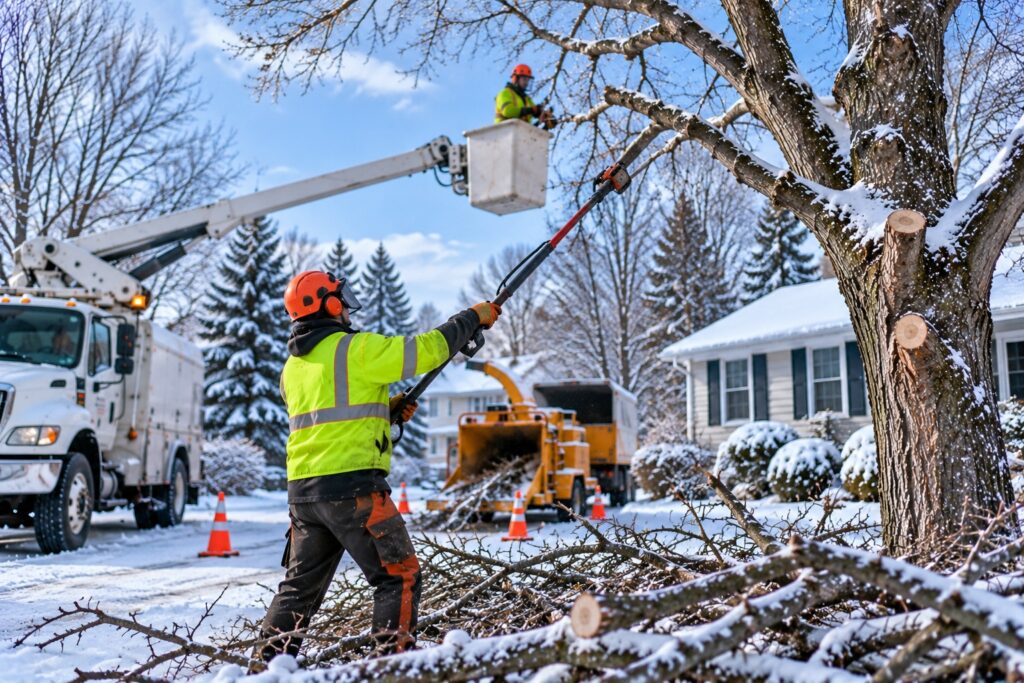
Arbor Ridge Tree Service serves Buffalo, NY, and nearby communities with a focus on safety, honest advice, and tidy results. Our team approaches every property with respect, whether you need a few hazardous limbs removed or a full seasonal plan. When you request tree trimming Buffalo NY from us, we explain what we recommend, why we recommend it, and what you can expect before any work begins.
Care Tips After Trimming
A little follow-up helps your trees recover and stay strong through winter:
- Water trees during dry fall weather until the ground freezes.
- Apply a layer of mulch to protect roots from temperature swings.
- Monitor pruned areas for signs of disease or pest activity.
- Clear fallen leaves from around the base if they are diseased.
- Schedule a yearly inspection so small problems never become big ones.
Frequently Asked Questions
How often should trees be trimmed?
Most mature trees benefit from an inspection every one to three years. Fast-growing or storm-damaged trees may need attention more often, and an arborist can recommend a schedule.
Is fall a good time for tree trimming Buffalo residents need?
Yes, for many trees. Fall allows crews to remove dead and hazardous wood before snow and ice arrive. Some species are better pruned in late winter, so ask for species-specific advice.
How much of a tree can be trimmed at once?
As a general rule, avoid removing more than about 25 percent of a tree’s live canopy in one season. Over-pruning can stress the tree and weaken it.
What should I look for in a tree trimming service?
Check for insurance, experienced arborists, clear written estimates, and positive local reviews. A trustworthy company will explain options without pressure.
Can I trim branches near power lines myself?
No. Branches near utility lines are dangerous. Contact your utility provider or a qualified professional who is trained to work near energized lines.
Will trimming harm my tree?
Proper pruning improves structure and health. Poor cuts or excessive removal can cause damage, which is another reason to rely on trained professionals.
What happens to the branches after trimming?
Crews can haul everything away, chip the branches into mulch, or leave firewood-sized logs. Let your arborist know your preference during the estimate.
Prepare Your Trees Before Winter Arrives
Healthy, well-maintained trees stand up to Buffalo winters far better than neglected ones. Inspect your property, note any warning signs, and book early so you have your choice of dates. Choosing a trusted tree trimming service Buffalo property owners recommend now can save you from emergency repairs later, and regular tree trimming Buffalo trees receive each year keeps them strong, safe, and beautiful.
Contact Arbor Ridge Tree Service today to schedule an inspection and receive a clear, written estimate for your fall tree maintenance.