Table of Contents
Every Buffalo homeowner knows what a winter storm can do. Lake-effect snow, freezing rain, and strong wind put heavy stress on trees, and the ones that were already struggling are usually the first to fail. If you are wondering whether a tree on your property will make it through the season, the answer matters for the safety of your family and your home. Professional Tree Removal Buffalo NY homeowners can rely on, such as the team at Arbor Ridge Tree Service, can help you decide before a storm decides for you.
This guide covers the warning signs that a tree may not survive winter, when tree removal is the right call, and how to plan ahead.
Why Winter Is So Hard on Weak Trees
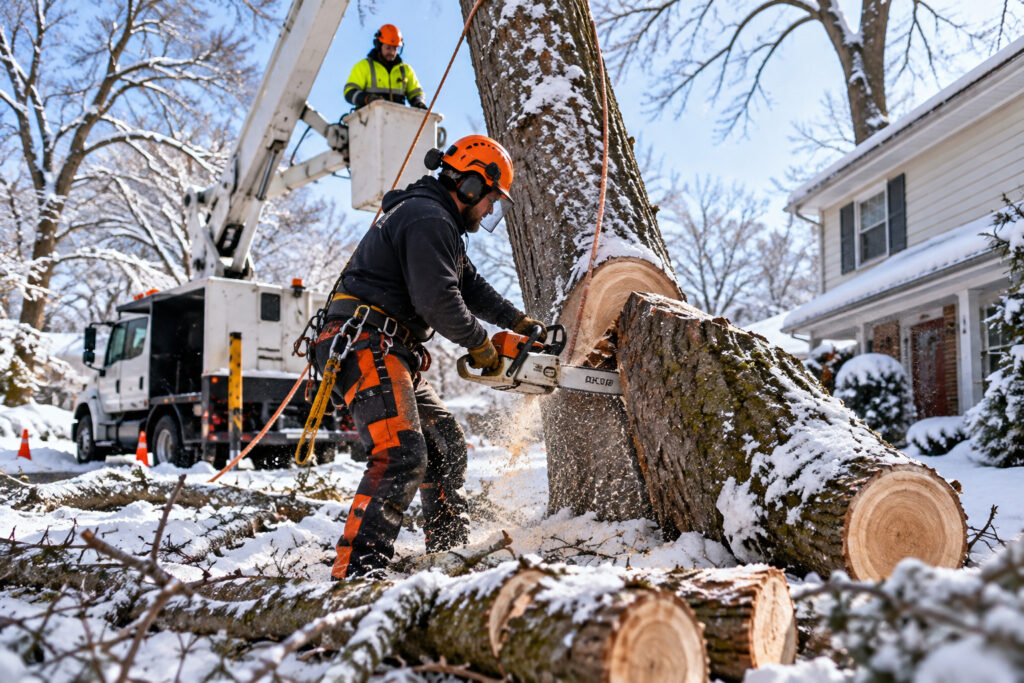
A healthy tree flexes under snow and wind. A damaged or decaying tree cannot. Wet snow adds hundreds of pounds to the canopy, ice makes branches brittle, and frozen ground gives roots less grip. Add Western New York’s strong gusts, and a tree that looked stable in summer can come down in a single storm.
Falling trees and limbs damage roofs, cars, fences, and power lines, and they can injure people. Spotting trouble early gives you time to act on your own schedule.
Warning Signs a Tree May Not Survive Winter
1. Extensive Deadwood
Dead branches are an obvious red flag. If large sections of the canopy have no leaves during the growing season, or if the bark is peeling away, the tree may be in serious decline. Look for:
- Bare limbs while the rest of the tree is leafy
- Brittle twigs that snap easily with no green inside
- Large dead limbs hanging over your home or driveway
When more than a small portion of the canopy is dead, tree removal is often the safest long-term solution.
2. Cracks, Splits, and Hollow Trunks
Deep vertical cracks, open cavities, and hollow sections weaken the trunk’s ability to carry weight. Freezing temperatures can make cracks worse, since water that enters a split expands as it freezes.
3. Fungus and Mushrooms at the Base
Mushrooms or shelf-like growths on the trunk or around the roots often point to internal decay. By the time fungus appears, the wood inside may already be compromised.
4. A New or Worsening Lean
A tree that has always leaned slightly may be fine. A tree that has recently started to tilt, especially with raised soil on one side, is a different story. This can mean the root system is failing. In these cases, Tree Removal in Buffalo NY is often the only safe fix, because a leaning tree can fall without warning.
5. Root Damage and Heaving Soil
Roots anchor the tree. Warning signs include:
- Cut, crushed, or exposed roots from construction or digging
- Soil mounding or cracking near the base
- Standing water that repeatedly pools around the trunk
- Roots lifting out of the ground
6. Pest Infestation and Disease
Insects and disease can weaken a tree from the inside. Ash trees in the region have been hit hard by emerald ash borer, which leaves D-shaped exit holes, thinning crowns, and bark splits. Once an infested ash declines, tree removal is typically recommended because the wood becomes brittle and unpredictable.
Quick Reference Table: Signs and Recommended Actions
| Warning Sign | What It May Mean | Recommended Action |
|---|---|---|
| Large dead branches | Canopy decline or storm damage | Professional pruning or evaluation |
| Hollow trunk or deep cracks | Structural weakness | Arborist inspection, likely removal |
| Fungus at the base | Internal rot | Professional assessment |
| Sudden lean | Root failure | Urgent evaluation, likely removal |
| Thinning crown with bark splits | Pest or disease problem | Arborist diagnosis |
| Heaving soil near trunk | Unstable roots | Immediate professional review |
Pruning or Removal? How Arborists Decide
Not every damaged tree has to come down. Many homeowners assume tree removal is the only answer, but a trained arborist looks at the whole picture before recommending it. Typical questions include:
- How much of the tree is healthy?
- Is the problem limited to a few branches that can be pruned?
- Is the tree close to your house, a power line, or a play area?
- Can the issue be treated, or is it too advanced?
Removal is usually the best choice when the trunk is hollow, the roots are failing, the tree is mostly dead, or it poses a danger to people and property that pruning cannot fix.
Why Fall Is the Best Time for Tree Removal in Buffalo NY
Scheduling work before the ground freezes makes access easier for crews and equipment. It also protects your lawn from deep ruts and lets you avoid the rush that follows the first major storm. Booking Tree Removal Buffalo NY service early gives you more choice of dates, more time to compare estimates, and less stress.
Waiting also carries risk. A tree that fails during a storm can cause thousands of dollars in damage and may require emergency service, which usually costs more.
Why Tree Removal Is Not a DIY Project
Taking down a tree looks simple on video, but real jobs involve unpredictable weight, tension in the wood, hidden decay, and nearby structures. Common dangers include:
- Falling limbs and trunks landing in the wrong direction
- Chainsaw kickback and ladder falls
- Contact with power lines
- Damage to your home, fence, or a neighbor’s property
If a tree is tall, near a structure, or visibly unhealthy, hire a trained crew with the right equipment and insurance.
How to Choose a Tree Removal Company
Not every provider is equal. Before hiring, ask these questions:
- Are you fully insured, including liability and workers’ compensation?
- Do you provide a written estimate that lists exactly what is included?
- Are certified arborists or experienced climbers on your crew?
- Will you clean up debris and offer stump grinding?
- Can you share local references or reviews?
When comparing options for Tree Removal Buffalo NY, be cautious about anyone who solicits door to door after a storm, asks for full payment upfront, or suggests topping a tree. Reputable companies are open about pricing and methods.
How Arbor Ridge Tree Service Can Help
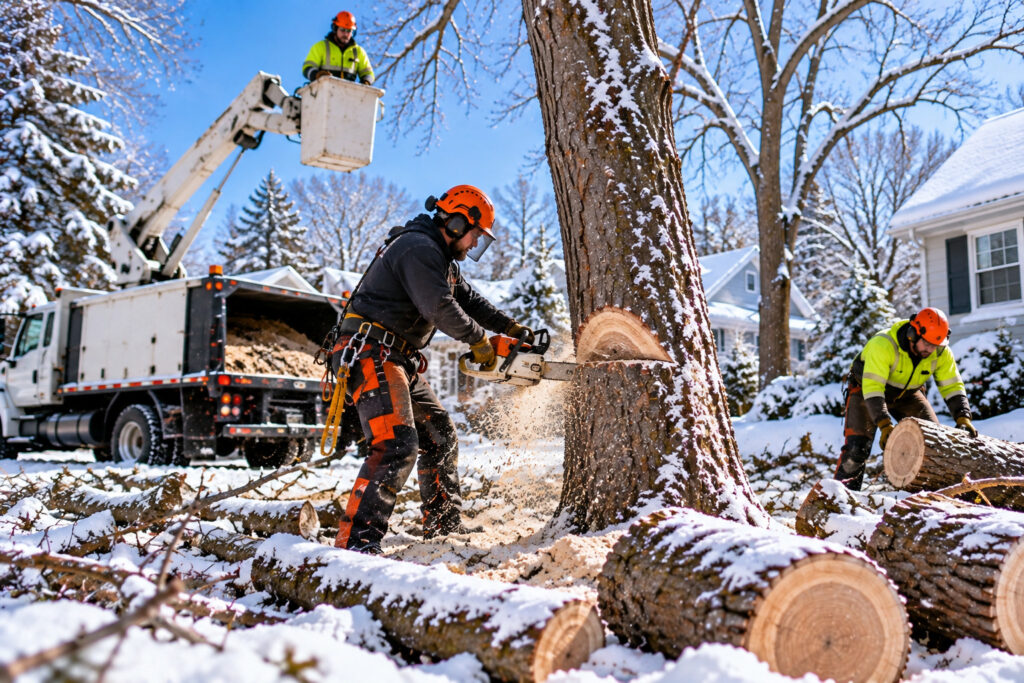
Arbor Ridge Tree Service works with Buffalo homeowners who want practical, safety-focused tree care. The team can inspect your trees, explain what they find in plain language, and recommend the least invasive solution that keeps your property safe. Services often include:
- Tree health assessments
- Tree removal and hazardous tree takedowns
- Pruning and trimming
- Storm damage cleanup
- Stump grinding
Choosing a local provider means working with people who understand Western New York weather, soil, and the species that grow here, from maples and oaks to ash and pine.
Simple Fall Checklist
- Walk your property and look up for dead or hanging branches
- Check each trunk for cracks, fungus, or a new lean
- Inspect the soil around roots for heaving or damage
- Photograph anything concerning to share with a professional
- Book an inspection before the first heavy snowfall
Frequently Asked Questions
How do I know if my tree is dying?
Look for sparse or bare branches in the growing season, peeling bark, fungus at the base, hollow areas, and a thinning crown. If you notice several of these signs, have an arborist inspect it.
Can a leaning tree be saved?
Sometimes, if the lean is slight and long-standing and the roots are sound. A sudden lean, especially with lifted soil, usually signals root failure and requires professional evaluation right away.
Is winter a bad time to remove a tree?
Not necessarily. Frozen ground can actually reduce lawn damage, but snow, ice, and short days can slow the work. Fall is generally the easiest time to schedule.
How much does Tree Removal in Buffalo NY cost?
Cost depends on the tree’s size, condition, location, and access, and on whether extras like stump grinding are included. A written estimate is the best way to compare providers fairly.
What should I do if a tree falls on my house?
Make sure everyone is safe, stay away from any downed power lines, and call your utility company if lines are involved. Then contact a qualified professional once conditions are safe, and notify your insurance provider.
Do I need a permit?
Rules vary by municipality and by tree location, so check with your local city or town office before removing a large tree, especially one near the street or a property line.
Final Thoughts
Winter does not forgive weak trees, and the best time to deal with them is before the first storm. By learning the warning signs, inspecting your property this fall, and getting an expert opinion, you can prevent costly damage and keep your family safe. If a tree on your property worries you, a professional evaluation for Tree Removal Buffalo NY from Arbor Ridge Tree Service is a smart first step.