Table of Contents
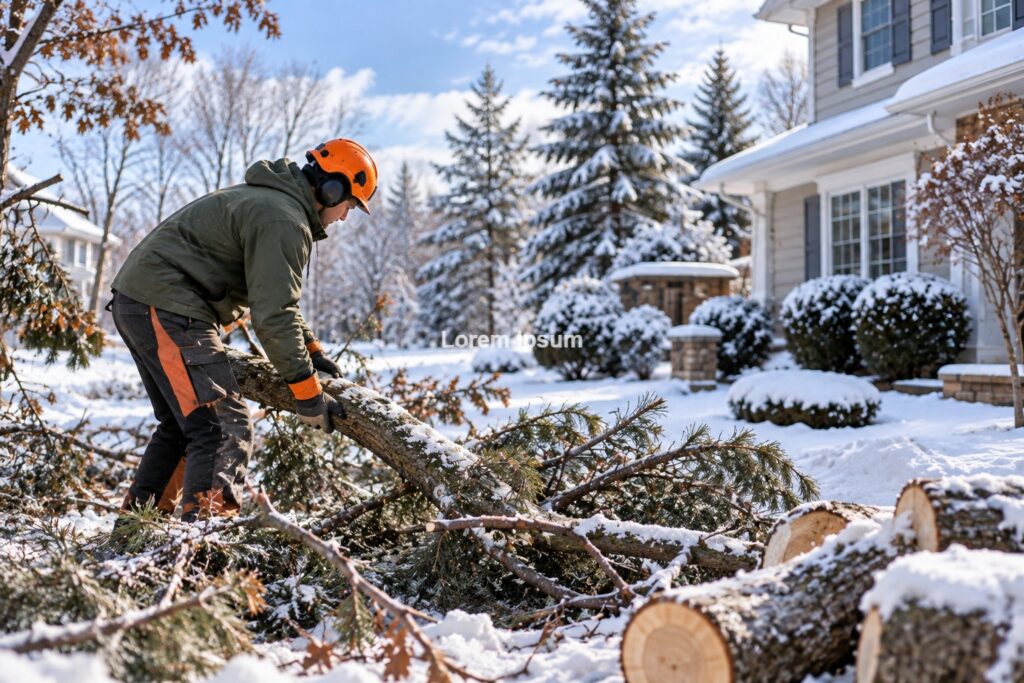
Buffalo winters are famous for lake-effect snow, freezing rain, and powerful wind gusts. For homeowners, the first big storm often reveals which trees on the property were healthy and which were liabilities. The best time to find out is before the snow falls. Working with a trusted Tree Service Buffalo NY provider like Arbor Ridge Tree Service can help you spot problems early, protect your home, and keep your landscape healthy through the cold months.
This winter preparation checklist walks you through what to inspect, what to prune, and when to call a professional.
Why Winter Tree Preparation Matters in Western New York
Heavy, wet snow can add hundreds of pounds to a single branch. Ice coats limbs and makes them brittle, and strong winds off Lake Erie put extra stress on trees that are already weak. A branch that looks fine in October can snap in January and land on a roof, vehicle, fence, or power line.
Scheduling professional Tree service in Buffalo NY before winter reduces the chance of emergency damage. It also costs far less to prune a questionable limb in the fall than to repair a damaged roof in the middle of a blizzard.
The Homeowner Winter Tree Preparation Checklist
1. Look for Dead or Hanging Branches
Walk your property and look up. Dead branches are often bare while the rest of the tree still has leaves, and they are the first to fall under snow and ice load. Watch for:
- Branches with no buds or leaves during the growing season
- Limbs that are cracked, split, or hanging loose
- Bark that is peeling away in large sections
- Branches rubbing against each other
If any of these are high up or over your home, do not climb or cut them yourself. A professional Tree Service Buffalo NY crew has the equipment and training to remove them safely.
2. Schedule Structural Pruning
Pruning in late fall or winter, when most trees are dormant, is often ideal. Without leaves, an arborist can clearly see the tree’s structure and identify weak spots. Good pruning can:
- Reduce the weight that snow and ice can collect on
- Improve air flow through the canopy
- Remove crossing or poorly attached branches
- Shape young trees so they grow stronger
Proper cuts matter. Topping a tree, or cutting it back to stubs, weakens it and creates dangerous regrowth. Choose a company that follows accepted arboriculture practices.
3. Check Trees Near Power Lines and Structures
Any tree growing close to utility lines should be handled with caution. Never trim near power lines yourself. Contact your utility company or a qualified professional. Also check for branches that overhang:
- Your roof and chimney
- Driveways and walkways
- Garages and sheds
- Your neighbor’s property
4. Inspect the Trunk and Root Zone
A tree’s stability depends on what you see at ground level. Warning signs include:
- Mushrooms or fungus growing at the base, which can indicate decay
- Soil that is heaving or cracking on one side of the tree
- Deep vertical cracks in the trunk
- A noticeable new lean
- Exposed or damaged roots
Trees showing several of these signs deserve a professional evaluation before winter.
5. Mulch and Water Properly
Fall is a good time to refresh mulch around your trees. A layer of two to three inches helps insulate roots and hold moisture. Keep mulch a few inches away from the trunk, because piling it against the bark invites rot and pests. If autumn has been dry, give trees a deep watering before the ground freezes.
6. Protect Young and Newly Planted Trees
Young trees have thin bark and shallow roots, so they are more vulnerable to cold, salt spray, and animal damage. Consider these steps:
- Wrap trunks with tree guards to reduce frost cracking and rodent damage
- Stake only if needed, and remove ties that could cut into bark
- Keep road salt and shoveled salty snow away from the root zone
7. Remove Hazardous Trees Before They Fail
Some trees are simply too damaged, diseased, or unstable to save. Removing them on your schedule is safer and cheaper than dealing with an emergency. Trees infested with emerald ash borer, which has affected ash trees across the region, are a common concern for local homeowners.
8. Clean Up Leaves and Debris
Clear fallen branches, piles of leaves, and debris from your yard, gutters, and drainage areas. This helps prevent pests, mold, and clogged gutters that lead to ice dams.
Quick Reference Table: Winter Tree Tasks
| Task | Best Timing | DIY or Professional |
|---|---|---|
| Remove small dead twigs | Fall | DIY if reachable from the ground |
| Prune large or high branches | Late fall to winter | Professional |
| Inspect trunk and roots | Early fall | DIY first look, professional follow-up |
| Add mulch | Fall | DIY |
| Deep watering | Before the ground freezes | DIY |
| Wrap young trunks | Late fall | DIY |
| Remove hazardous trees | Fall or early winter | Professional |
| Work near power lines | Any time | Utility company or professional only |
When to Call a Professional
Some jobs are not worth the risk. Chainsaws, ladders, and falling limbs cause serious injuries every year. Hire a pro if a branch is thicker than a few inches, if it is above your roof or driveway, or if you are unsure whether a tree is healthy. Reliable Tree service in Buffalo NY gives you an expert opinion and safe, efficient work.
How to Choose the Right Tree Service Buffalo NY Company
Not all companies are equal, so ask these questions before you hire:
- Do they carry liability insurance and workers’ compensation coverage?
- Do they provide a clear written estimate?
- Do they employ trained, experienced crew members, ideally with certified arborists on staff?
- Can they provide local references or reviews?
- Do they explain the work plan and clean up afterward?
Be cautious of anyone who knocks on your door after a storm, demands payment upfront, or recommends topping your trees. A reputable Tree Service Buffalo NY company will be transparent about pricing and methods.
Why Homeowners Choose Arbor Ridge Tree Service
Arbor Ridge Tree Service provides local homeowners with practical, safety-focused care for their trees. Whether you need a pre-winter inspection, selective pruning, or the removal of a hazardous tree, an experienced team can help you decide what your property truly needs. Common services include:
- Tree pruning and trimming
- Tree removal
- Storm damage cleanup
- Stump grinding
- Tree health assessments
Choosing local Tree service in Buffalo NY also means working with people who understand the region’s weather, soil, and common tree species, from maples and oaks to ash and pines.
Timeline for Winter Preparation
Start early so you are not competing with everyone else after the first storm.
- September to October: Inspect your trees, mulch, and book an assessment with a Tree Service Buffalo NY specialist.
- October to November: Complete pruning and any necessary removals.
- Late November: Wrap young trees and do a final cleanup.
- During winter: Monitor trees after storms and call a professional for any damaged limbs.
Frequently Asked Questions
How early should I book Tree Service Buffalo NY before winter?
Ideally, book in early fall. Schedules fill up quickly once the first storm warnings appear, and booking early gives you more flexibility and often less stress.
Is winter a good time to prune trees?
For many species, yes. Dormant-season pruning makes the structure easier to see and is generally less stressful for the tree. Some species, such as maples and birches, may bleed sap, so a professional can advise on the best timing for each tree.
How much does Tree service in Buffalo NY cost?
Cost depends on tree size, location, condition, and access. Work near buildings or power lines usually costs more. The best approach is to request a written estimate that spells out exactly what is included.
What should I do if a tree limb falls during a winter storm?
Stay away from the area, especially if the limb is touching power lines. Call your utility company for any line hazard. For cleanup and removal, contact a qualified Tree Service Buffalo NY provider once conditions are safe.
Can I remove a dead tree myself?
Small dead trees may be manageable, but large trees are dangerous because dead wood is unpredictable. Hiring a professional is the safest choice.
How do I know if my tree is dangerous?
Look for leaning, cracks, hanging branches, fungus at the base, and root damage. When in doubt, ask a local arborist or Tree service in Buffalo NY expert to evaluate it.